Is Volunteering Abroad Safe? A Parent's Guide to Safety, Support and Saying Yes
Your child wants to volunteer abroad, and you have questions. Here's how supervision, housing, insurance and emergencies work, and what to ask before you say yes.

Volunteering abroad can be safe when the program has the right protections in place: a vetted local host with a trained on-site supervisor, background checks and a code of conduct for every volunteer, required travel insurance, and a clear plan for who to call if something goes wrong. No trip abroad is risk-free, so the real question is whether those protections exist and whether the provider will explain them to you.
If your child is planning to volunteer abroad, you probably have a lot of questions. That's a good thing. This guide walks through the ones parents ask most, and what a good answer sounds like.
Is my child ready to volunteer abroad?
Age is only part of it. With Volunteer Abroad, volunteers must be 18 or older on their start date (younger volunteers can only join with a designated adult guardian). Beyond that, readiness usually looks like this:
- They can explain why they want to go: what they hope to learn or contribute, not just where they want to travel.
- They're comfortable following someone else's lead: volunteers work 4 to 6 hours a day under a local supervisor, on the host's plans.
- They can handle some discomfort: a new language, unfamiliar food, house rules and being far from home.
- They'll speak up: about how they're feeling, if they're unwell, or if something doesn't seem right.
If you're unsure, a shorter first placement, or a longer one at a project with a well-established routine, can be a good middle ground. Your child's Placement Coordinator can help you both think it through.
How are volunteer projects chosen?
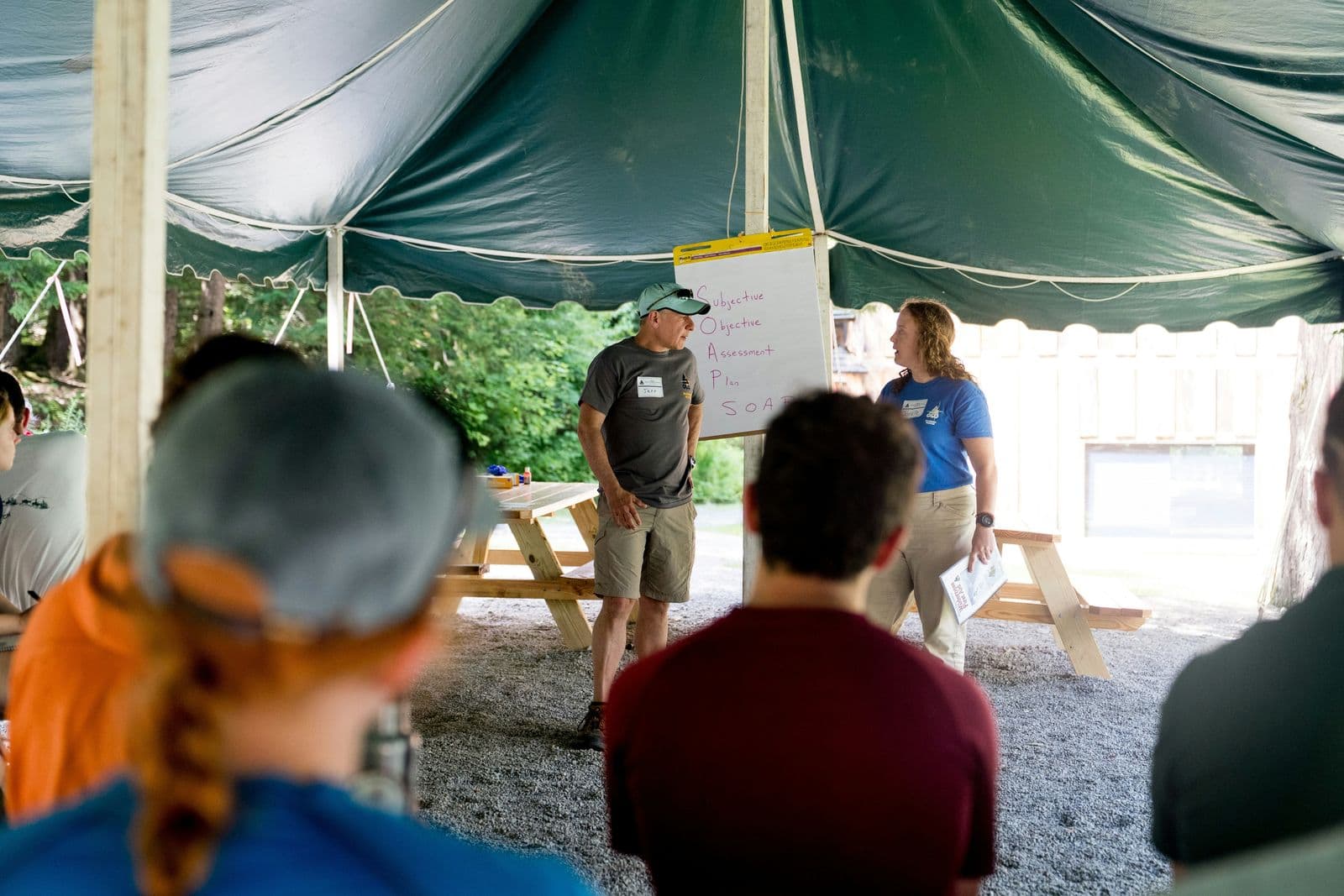
The host organization matters more than almost anything else for safety. Every Volunteer Abroad project has to meet the same standard before it goes on the site:
- Local and established: run by people from the community, generally with five years or more of steady work.
- Safeguarding in writing: formal policies for any work involving children or vulnerable adults.
- Somewhere good to live: vetted accommodation, all daily meals and daily transport to the project.
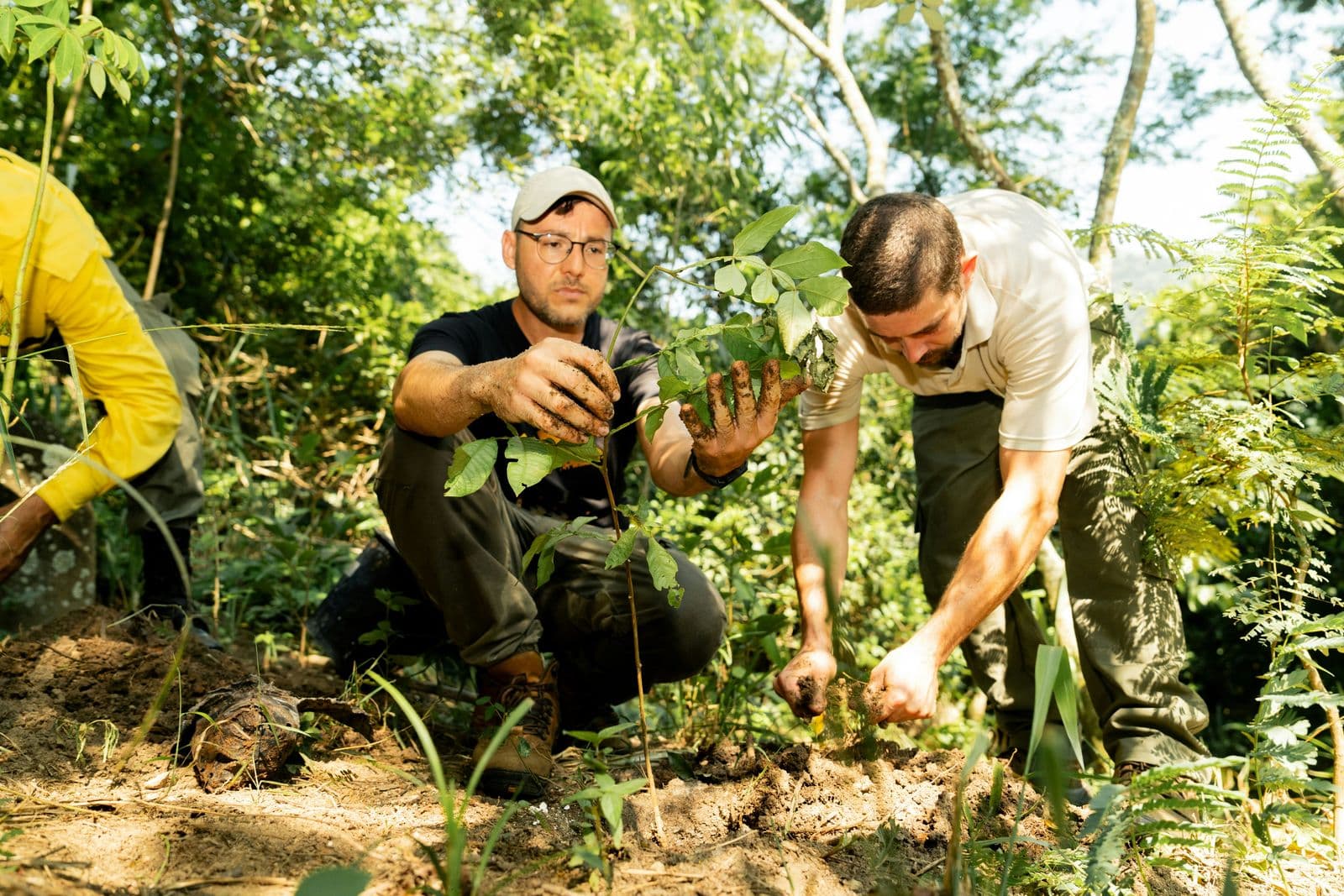
- A supervisor they can rely on: one trained person on site who guides their work every day.
Read more about how we choose projects.
What happens before your child leaves?
A lot of the safety work happens before departure. Every volunteer completes these requirements at least 60 days before their start date:
Requirement | Why it matters |
|---|---|
Emergency contact | Someone the team can reach quickly. This could be you. |
Passport copy | Must be valid for at least 6 months after the placement ends. |
Visa confirmation | Proof of the right visa or entry for the destination and length of stay. |
Criminal record check | Required for every placement, to protect the people volunteers work with. |
Flight details | Arrival and departure flights must match the partner's arrival window, so pick-up can be arranged. |
Proof of travel insurance | Cover for the whole trip that meets the minimum requirements (see below). |
Medical disclosure | Any medical conditions, mental health concerns, allergies, medications and dietary needs, so the host can support your child safely. |
Then comes preparation:
- Pre-departure orientation: a video call 30 to 45 days before the start date, covering the placement, the destination and what to expect.
- Arrival Guide: sent after that call, with the housing address, the host organization's name and contact details, airport pick-up information and other key dates. Ask your child to share it with you.
- Confirmed with the host: Volunteer Abroad confirms the reservation with the host organization 6 weeks before the start date.
The medical disclosure is worth a conversation at home. Volunteers who leave out something relevant can have their placement ended, and it's how the host knows what support to have ready.
Where will your child live?
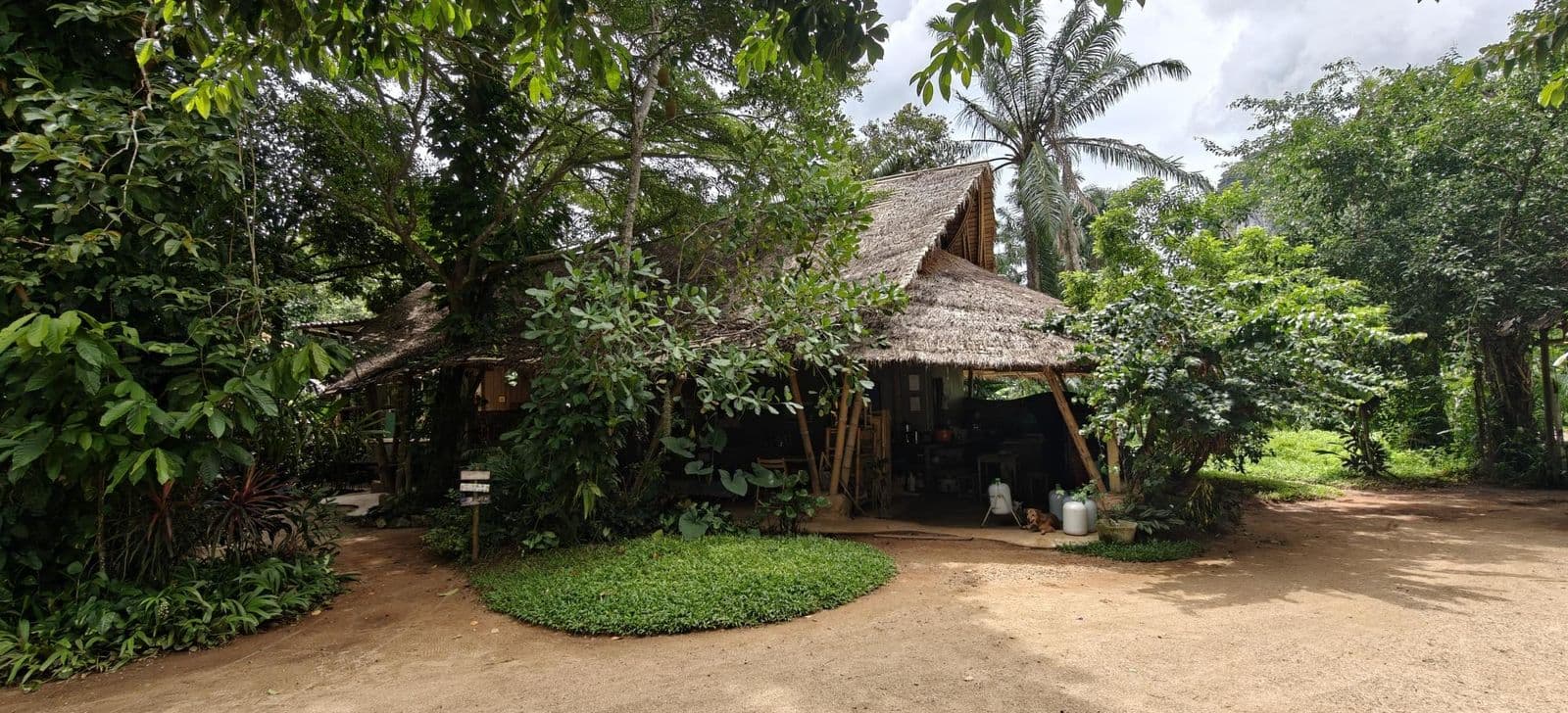
It depends on the project. Most volunteers share a room with other volunteers in a dorm, hostel or hotel, and one project is a family homestay. Every placement includes:
- Airport pick-up: the host organization meets your child when they land. Drop-off depends on the destination.
- All daily meals: dietary needs from the medical disclosure are shared with the host.
- Daily transport to the project: including boat transfers where the work needs them.
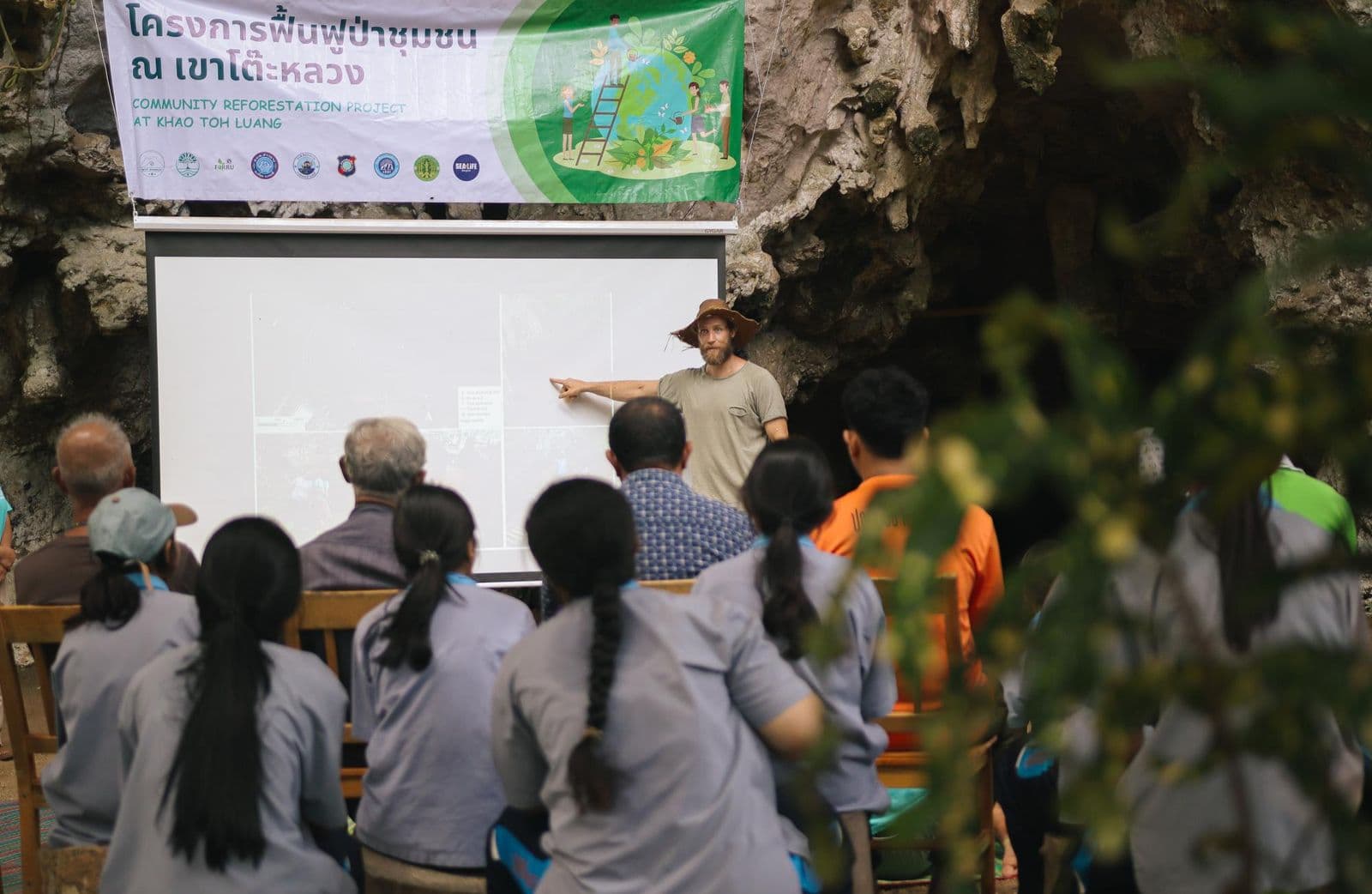
- An orientation and welcome weekend: run by the host when your child arrives.
Here's where volunteers stay on each project:
Destination | Where volunteers stay |
|---|---|
Northern Thailand | A homestay with a local family in the village, with a private room |
Cambodia | A hotel, in rooms shared by two to four volunteers of the same gender, with their own bathrooms |
Nepal | A hotel, sharing a room with volunteers of the same gender, with an attached bathroom |
Southern Thailand | Shared dorm rooms |
Fiji | Shared, mixed-gender rooms at the project base, with bunk beds and shared bathrooms |
Costa Rica | Shared, mixed-gender dorms at a remote rainforest base, with basic facilities and limited power and running water |
Madagascar | Basic dorm-style rooms for up to six people, with bunk beds and cold showers. Volunteers bring their own bedding and mosquito net. |
Mexico | A shared dorm about 15 minutes' drive from the project base |
Canary Islands | Shared, mixed-gender dorm rooms reserved for the project, inside a hostel |
If your child would rather not share a mixed-gender room, or needs particular facilities, raise it early with their Placement Coordinator. You'll also know the exact housing address before they go, because it's in the Arrival Guide.
What travel insurance does your child need?
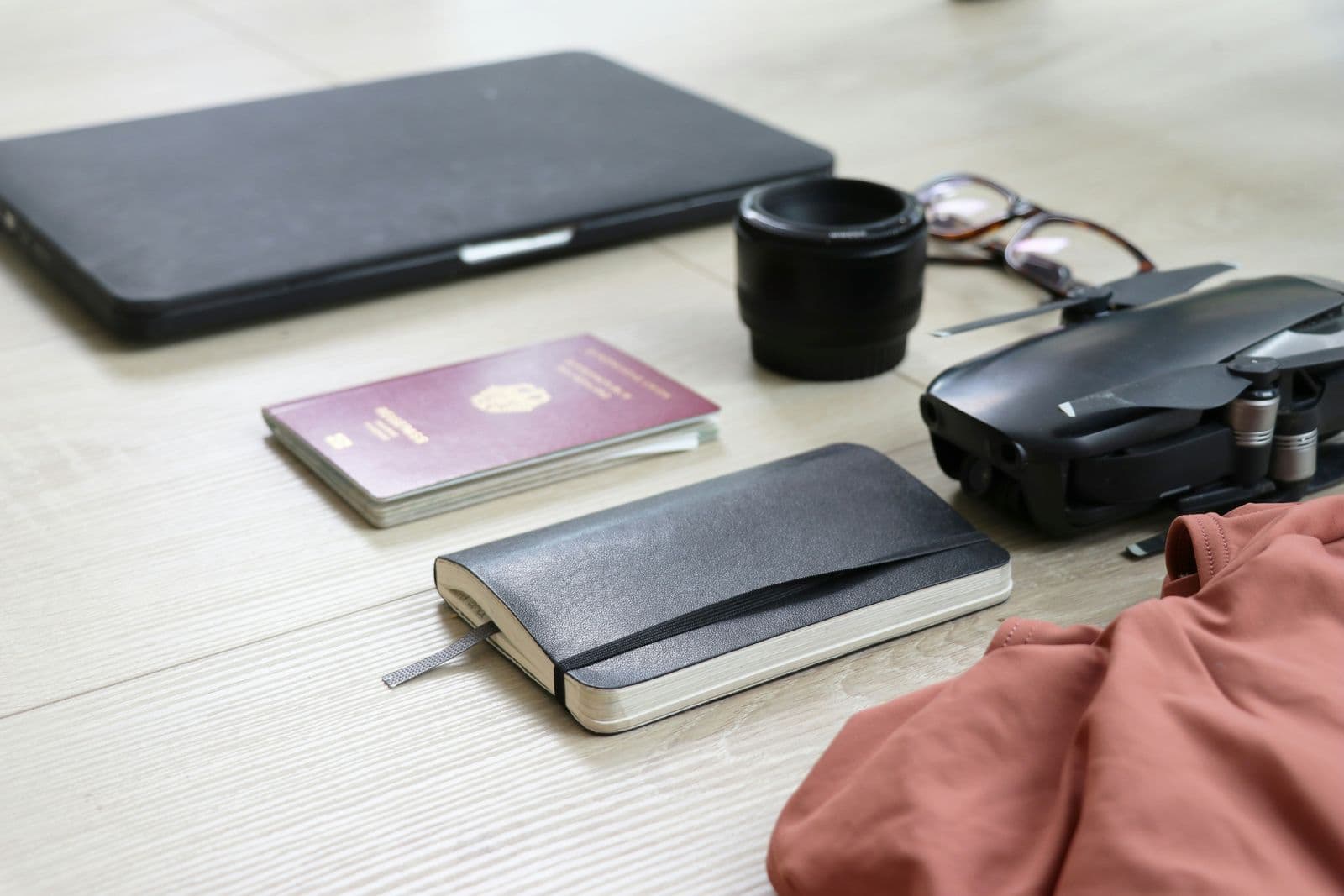
Travel insurance is required and isn't included in the price. Your child can't start their placement without valid cover. The policy must:
- Length: cover the whole trip, from the day they leave home to the day they return.
- Medical and evacuation: at least $100,000 (USD) for emergency medical treatment, and at least $50,000 for emergency evacuation and repatriation.
- Personal liability: must be included.
- Volunteer work: must be covered. Check it isn't excluded.
- Project activities: every one must be covered, including scuba diving on the Mexico reef project.
- Emergency help: a 24/7 emergency assistance phone number from the insurer.
Trip cancellation cover is also recommended, to protect what you've paid if plans change. Your child can buy any policy that meets these rules, or add the one offered through Volunteer Abroad's insurance partner. The insurer's name, policy number and emergency number are shared with the host, so they can help in an emergency. See the full safety and insurance details.
Who do you call if something goes wrong?
There's a clear chain, and your child learns it before they go:
- The host organization first: every volunteer has a local emergency contact and a trained on-site supervisor. They're closest and can act fastest.
- Their Placement Coordinator next: Volunteer Abroad is the point of escalation for the whole stay.
- The insurer for medical emergencies: through the 24/7 assistance number on the policy.
For placements longer than 12 weeks, Volunteer Abroad also checks in with volunteers during their stay. Ask your child to share their Arrival Guide and insurance details with you, and agree on how often you'll be in touch.
What rules do volunteers agree to?
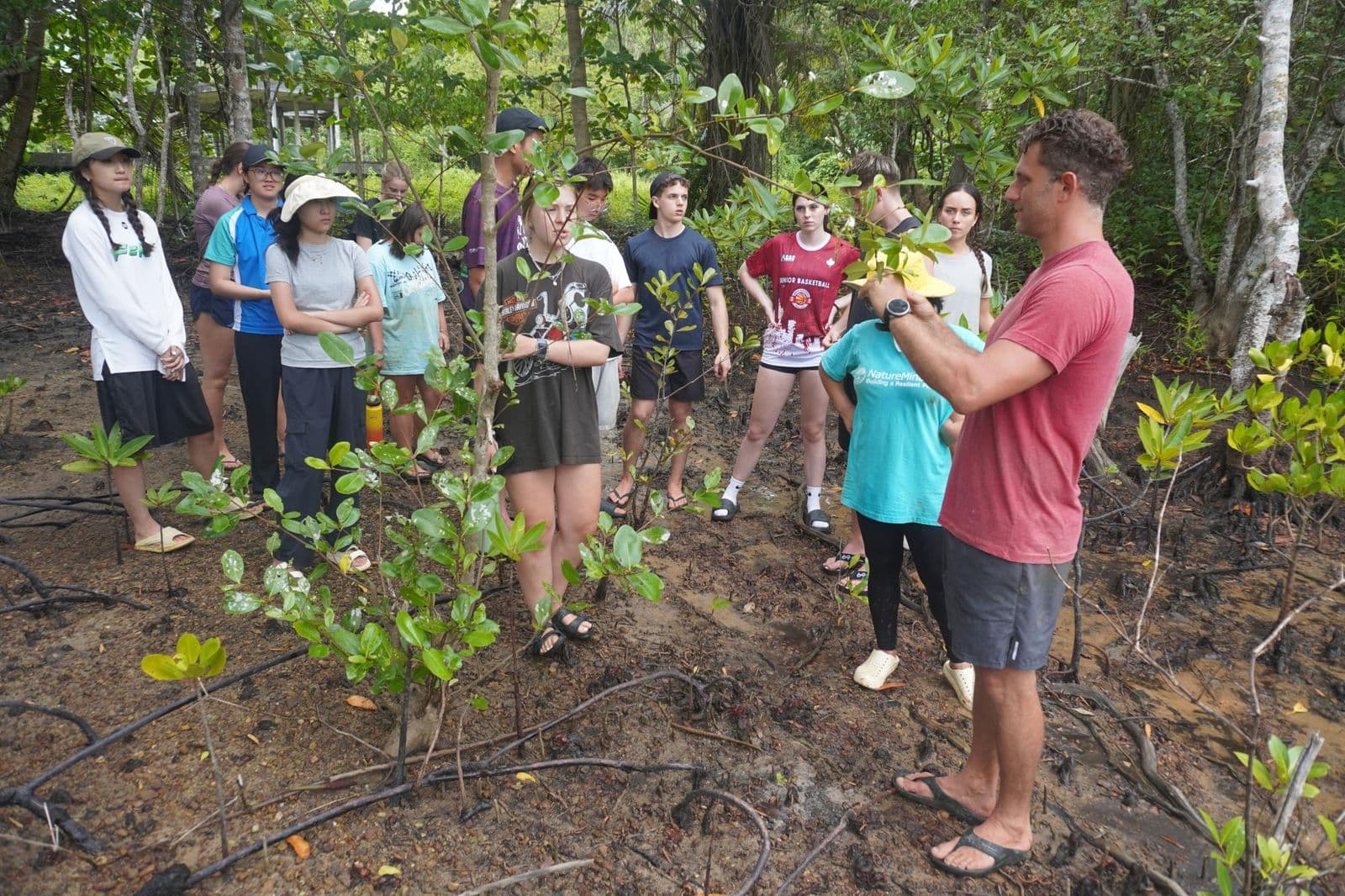
Every volunteer signs the host organization's code of conduct when they arrive, and agrees to Volunteer Abroad's own rules before they go. Highlights:
- No illegal drugs, and no alcohol at the placement or while volunteering.
- Follow house rules and any curfew, and tell the host when traveling away from the placement.
- Respect local customs, dress codes and laws.
- Only do work they're trained and permitted to do. Healthcare volunteers support health education and don't provide clinical care.
- Protect children and vulnerable people: no contact with children from the project on social media, no photos of them without permission, and no gifts or money given directly to the people they work with.
If a placement is ended for conduct reasons, there's no refund and the volunteer pays the cost of getting home. It's worth reading the rules together before your child signs.
What should you ask any volunteer provider before saying yes?
Whether your child chooses Volunteer Abroad or another provider, these questions will tell you a lot. A good provider answers all of them clearly:
- The host: how long has the local organization been running, and does it have a written safeguarding policy?
- Supervision: who supervises my child every day, and what training do they have?
- Housing: where will they live, and how was it vetted?
- Screening: are all volunteers background-checked? Is there a minimum age?
- Emergencies: who do they call first, and how quickly will someone respond?
- Insurance: what cover is required, and is it checked before departure?
- Health: how are medical needs and allergies shared with the host?
- Money: what does the price include, and what happens if plans change?
Want to go deeper? Use our 10-point checklist for choosing an ethical volunteer program to check any project before you commit.
Can parents talk to someone before committing?
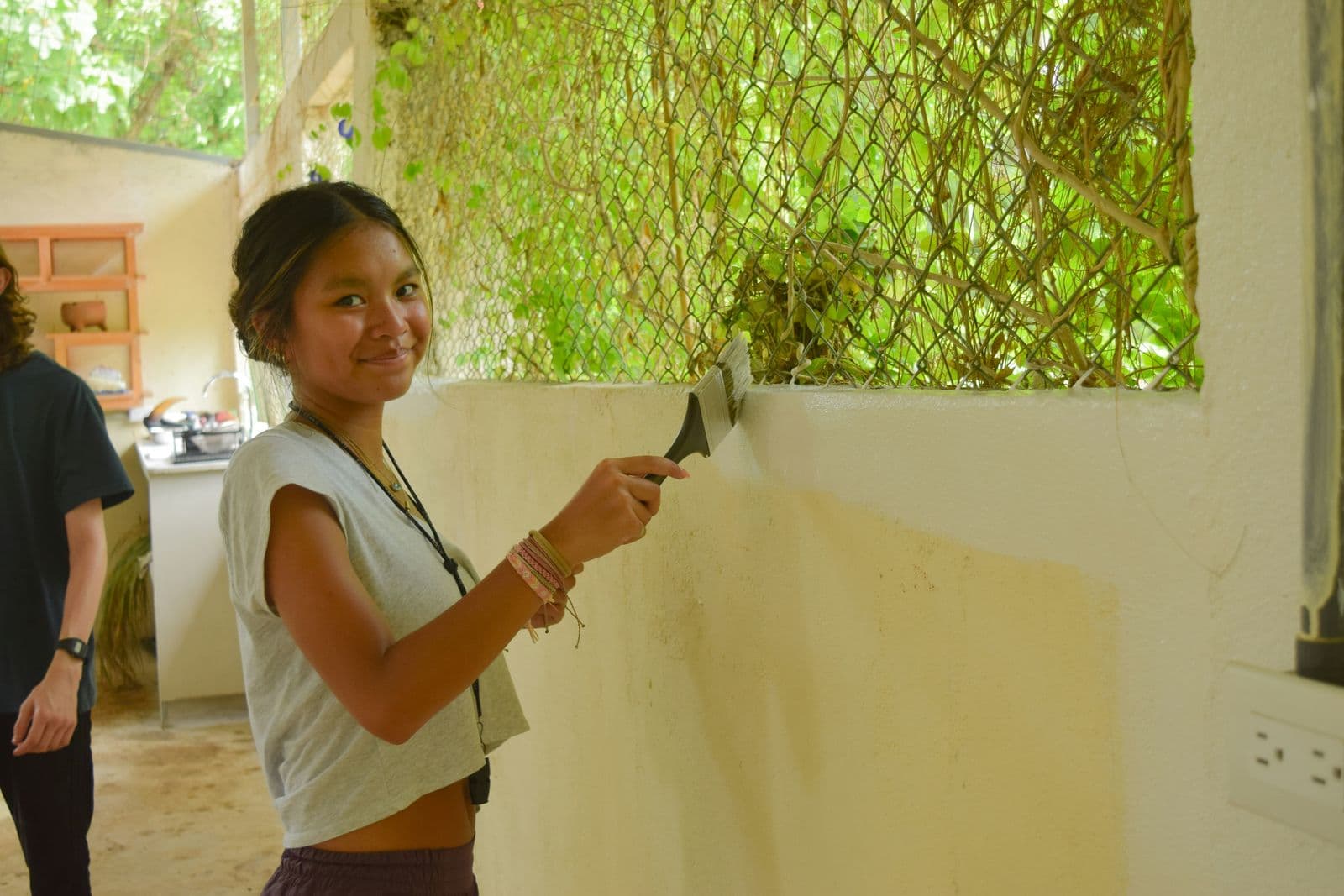
Yes. Your child's Placement Coordinator is happy to answer your questions about safety, supervision and insurance before anything is booked. Applying is free and doesn't commit your child to anything, so it's a good way to get the conversation started.
Have a question now? Get in touch with our team, or read the FAQ.
Frequently asked questions
Is volunteering abroad safe?
It can be, when the program has a vetted local host, a trained on-site supervisor, background checks, required travel insurance and a clear emergency plan. No trip is risk-free, so ask any provider to explain each of those protections before you book.
What is the minimum age to volunteer abroad with Volunteer Abroad?
Volunteers must be 18 or older on their start date. Younger volunteers can join only with a designated adult guardian. Ask a Placement Coordinator what that involves for the project you're considering.
Is travel insurance included?
No, but it's required. The policy must cover the whole trip, with at least $100,000 for emergency medical treatment, $50,000 for evacuation and repatriation, and personal liability, plus volunteer work and every project activity.
Will I know where my child is staying?
Yes. The Arrival Guide, sent after the pre-departure call 30 to 45 days before the start date, includes the housing address, the host organization's name and contact details, and airport pick-up information. Ask your child to share it.
What happens in an emergency?
Volunteers contact their host organization first, through a local emergency contact and on-site supervisor, then their Placement Coordinator, who is the point of escalation for the whole stay. For medical emergencies, the insurer's 24/7 assistance line helps too.
Can parents speak to someone before booking?
Yes. A Placement Coordinator can answer your questions about safety, supervision and insurance before anything is booked. Applying is free and doesn't commit your child to anything, so it's an easy way to start the conversation.