Why Does It Cost Money to Volunteer Abroad? Here's Exactly Where Your Fee Goes
Paying to volunteer can feel backward, so here’s exactly where your money goes. A one-time Program Deposit gets you ready to go, your weekly Program Fee goes to your host project in full, and 2 weeks starts at $1,110.

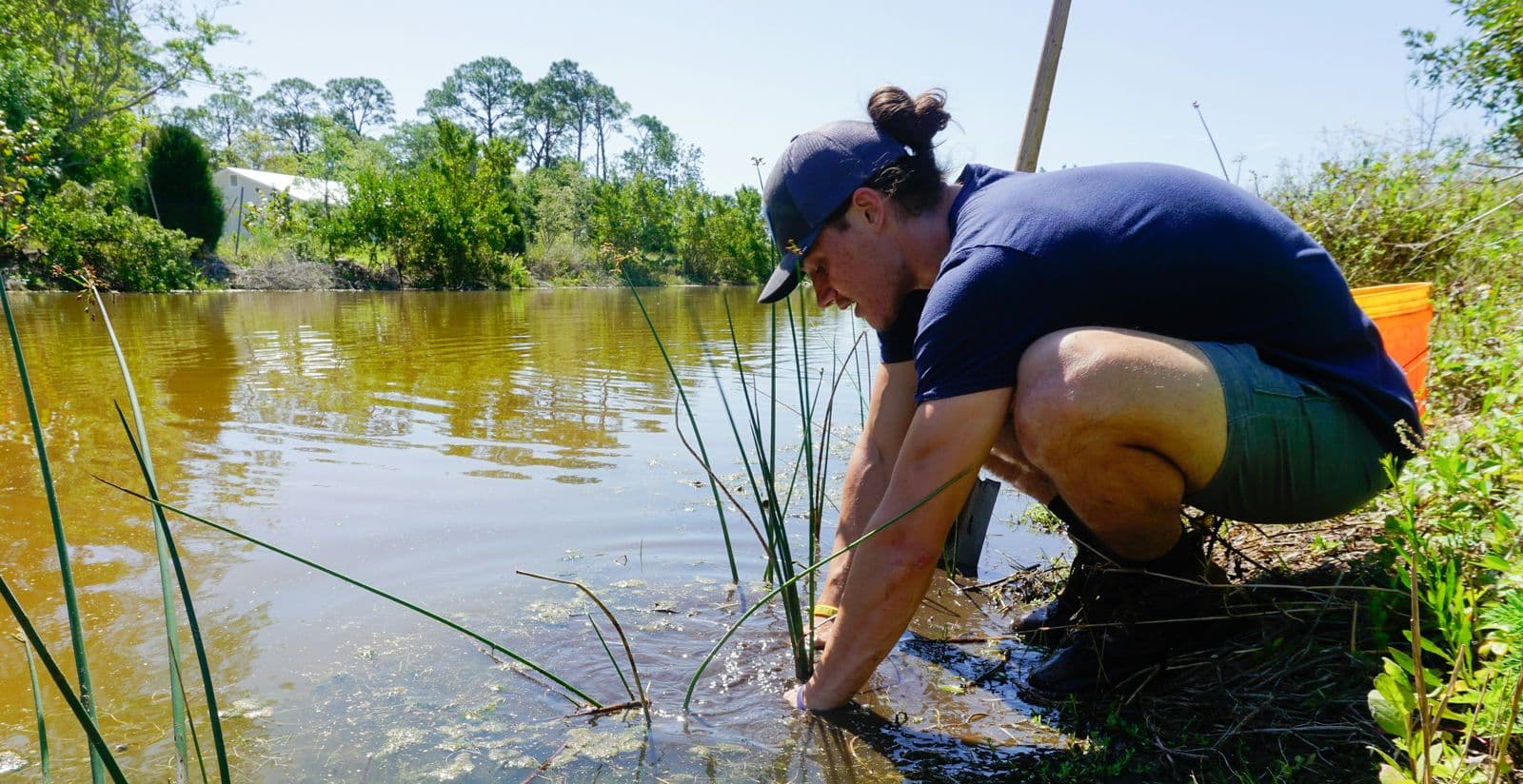
You pay to volunteer abroad because hosting you costs a local organization real money: your room, your meals, your daily transport, and the staff time to train and supervise you. With Volunteer Abroad, every placement includes your accommodation, all daily meals, daily transport to the project, orientation and in-country support. Then there are two prices, published up front in USD: a Program Deposit ($500 to 1,000) charged once per placement, and your project's Program Fee (319 to $798 a week), paid to the host project in full. Two weeks costs $1,138 to $2,096 in total.
Flights, visas, travel insurance, vaccinations, weekend tours and personal spending aren't included. Travel insurance is required, though, so budget for it.
It's fair to ask why you'd pay to work for free. Here's exactly where each part of your money goes.
Why do you pay to volunteer abroad?
Because a good placement has real costs, and someone has to cover them. When you arrive, your host project gives you a bed, all your daily meals, a ride to the work site, training, and a supervisor who spends part of every day with you. For a small local nonprofit, that's a real expense.
The second cost is getting you there ready. Someone has to review your application, check that you're eligible for the visa you need, collect your documents, and prepare you for the culture and the work. That's what the Deposit pays for.
We’ve all seen volunteer prices that change at checkout and fees no one can explain. We built Volunteer Abroad so you see two prices up front and know exactly which one goes to your host.
What does the Program Deposit cover?
The Program Deposit is Volunteer Abroad's placement fee. You pay it once, it reserves your place and locks in your dates, and it pays for everything that gets you ready to go. It's separate from your Program Fee, and the amount depends on how long you stay:
Length of stay | Program Deposit (USD) |
|---|---|
2 to 4 weeks | $500 |
5 to 12 weeks | $750 |
More than 12 weeks | $1,000 |
Here's what the Deposit pays for:
- Application review: we check your eligibility and share tentative dates within 2 working days of applying.
- Visa eligibility screening: we check that you can get the visa or entry your stay needs, like the extra visa Fiji requires for stays over 4 weeks.
- Requirements management: your Placement Coordinator collects and checks every document, including your criminal record check, passport copy and proof of insurance.
- Pre-departure orientation: a video call 30 to 45 days before you start, followed by your Pre-Departure Packet and Arrival Guide.
- A dedicated Placement Coordinator: your contact from application onward, and your escalation point during the placement.
- Access to add-ons: like travel insurance and an eSIM, invoiced separately.
The Deposit isn't refundable, but you can move it once to new dates or a different program. See the cancellation section below.
What does the Program Fee cover?
The Program Fee pays for your life on the project. It's the project's weekly rate times the number of weeks you stay, and it covers:
- Airport pick-up: your partner organization meets you when you land. Drop-off depends on your destination and is listed on your program page.
- Accommodation: on most projects, a shared room in a dorm, hostel or hotel with other volunteers; on one, a homestay with a local family.
- Meals: all your daily meals.

- Daily transport: to and from the project, including boat transfers where the work needs them.
- Orientation and a welcome weekend: run on the ground by your partner organization.
- Language and culture: basic language lessons, cultural events and community activities.
- Training: role-specific training where the project needs it.
- Supervised work: 4 to 6 hours a day with a trained on-site supervisor.
- Local support: your partner organization is your first contact in an emergency, with your Placement Coordinator as backup.
Rates differ by project because each host partner sets its own Program Fee based on what hosting you costs where it works.
Does the host project get all of the Program Fee?
Yes. Each host partner sets its own Program Fee. You pay it through Volunteer Abroad, and it's transferred in full to your partner organization before you arrive. Volunteer Abroad keeps only the Deposit, so the two costs stay separate and you can see exactly who gets what.

What happens when volunteering is free?
Someone still pays, just not you. When a program charges nothing, one of two things usually happens:
- Volunteers go unsupported: you arrive with no visa check, no orientation, no supervisor and no one to call if something goes wrong.
- The host organization carries the cost: a small local nonprofit spends its own budget housing, feeding and supervising you, money meant for the community it serves.
A published fee is what lets hosting you help the project instead of draining it.
How much does it cost to volunteer abroad in 2026?
A placement with Volunteer Abroad costs from $1,138 (USD) for 2 weeks in Cambodia to $3,692 for 4 weeks in Southern Thailand or the Canary Islands. Every total below is the Program Deposit plus the Program Fee for that many weeks.
Destination | Program Fee per week | 2 weeks | 4 weeks |
|---|---|---|---|
Cambodia | $319 | $1,138 | $1,776 |
Costa Rica | $420 | $1,340 | $2,180 |
Northern Thailand | $485 | $1,470 | $2,440 |
Nepal | $485 | $1,470 | $2,440 |
Madagascar | $625 | $1,750 | $3,000 |
Mexico | $732 | $1,964 | $3,428 |
Fiji | $762 | $2,024 | $3,548 |
Southern Thailand | $798 | $2,096 | $3,692 |
Canary Islands | $798 | $2,096 | $3,692 |
All prices in USD. Totals include the $500 Program Deposit for stays of 2 to 4 weeks. Longer stays have a $750 Deposit (5 to 12 weeks) or $1,000 Deposit (13+ weeks). Flights, visas, travel insurance, vaccinations and personal spending are not included.
Here's the math for 4 weeks in Madagascar: a $500 Deposit plus 4 weeks at 625(2,500) comes to $3,000.
Longer stays cost less per week because the Deposit is charged only once. Over 4 weeks, the $500 Deposit works out to $125 a week. Over 24 weeks, the $1,000 Deposit works out to about $42 a week.
See the complete list of Program Fees on our Pricing page
What isn't included in the price?
Six things aren't included: flights, visas, travel insurance, vaccinations, weekend activities and tours, and personal spending. Travel insurance is the one people miss, and you can't start your placement without it. Your Placement Coordinator gives you honest estimates for each destination during screening, so there are no surprises on arrival.
- Travel insurance (required): your policy must cover your whole trip, from the day you leave home to the day you return, with at least $100,000 for emergency medical treatment, $50,000 for evacuation and repatriation, and personal liability. It also has to cover volunteer work and every activity on your project, like scuba diving in Mexico. You can buy any policy that meets these rules or add the one offered through Volunteer Abroad's insurance partner. See what your insurance needs to cover.
- Flights: your arrival and departure flights need to fit your partner's arrival window. Your airport pick-up is included.
- Visas: fees and rules depend on your passport and destination. Your Placement Coordinator checks your eligibility early, but always confirm on the destination's official government or embassy site.
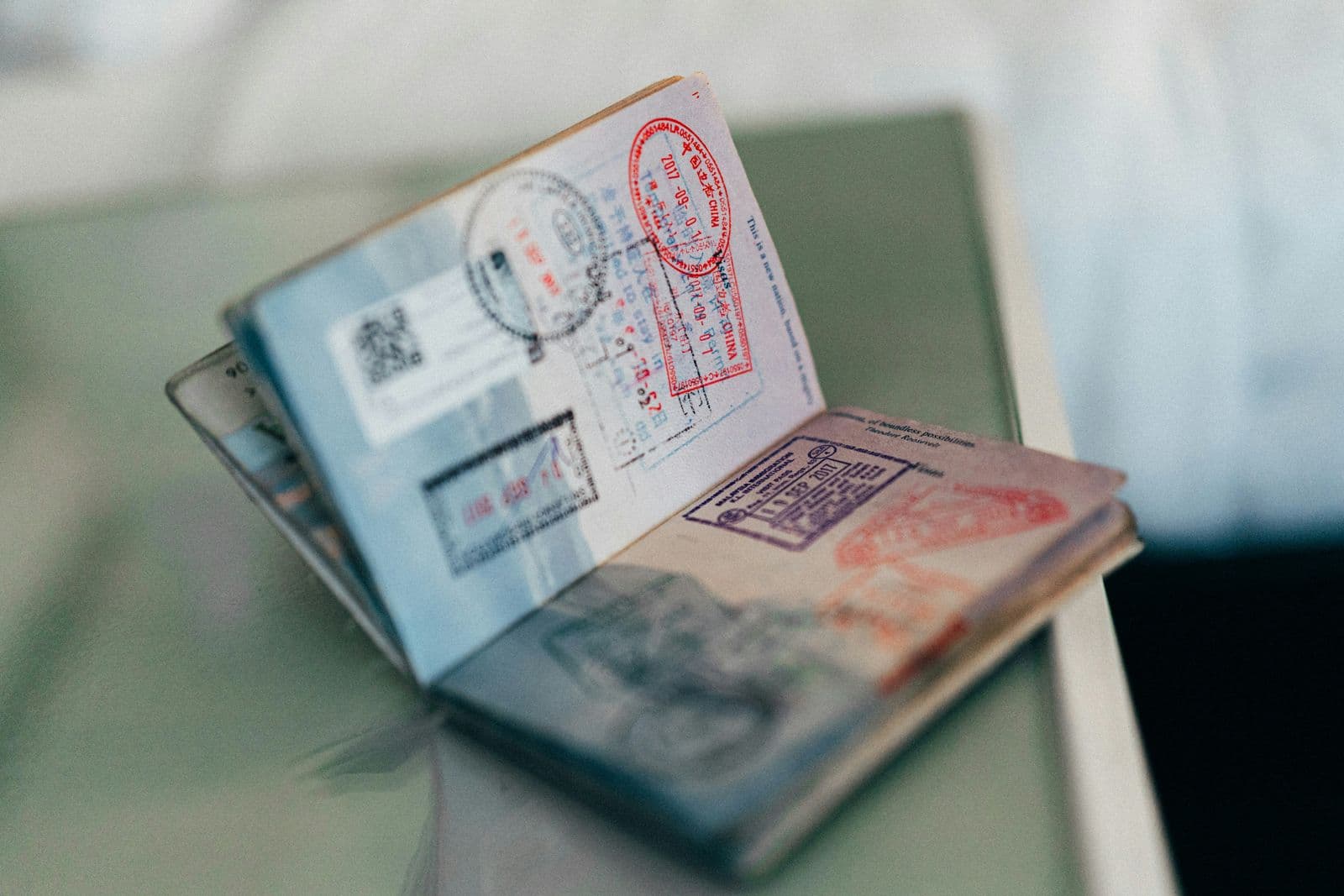
- Vaccinations: see a doctor or travel clinic about vaccinations and medication well before you go.
- Weekend activities and tours: you can book these through your partner organization once you arrive, subject to availability.
- Personal spending: snacks, souvenirs, phone data and anything beyond your daily meals.
Some projects also have optional extras. Dive certification for the Mexico reef project, for example, is available as an add-on.
When and how do you pay?
Applying is free. You pay the Deposit once your requirements are complete, and the Program Fee at least 60 days before you start. Here's the order, and you can read how it works step by step:
- Apply: pick your project and dates. Submitting costs nothing, and you'll get tentative dates within 2 working days.
- Complete your requirements: within 7 to 10 days, including your passport copy, visa confirmation, criminal record check and proof of insurance.
- Sign the terms and pay your Program Deposit: it's invoiced once your requirements are complete and due within 7 days. Paying it locks in your dates.
- Pay your Program Fee: in full, at least 60 days before your start date. It's transferred in full to your partner organization.
- Join your pre-departure orientation: a video call 30 to 45 days before you start. Afterward, you get your Arrival Guide with your housing address and your partner organization's name and contact details.
- Travel: your partner organization meets you at the airport and runs your orientation and welcome weekend.
You can pay by credit card (a processing fee is added at checkout), or fee-free by Zelle, Wise or bank transfer.
Apply at least 60 days before your start date. Later applications are possible but need approval, and you'll get shorter deadlines for everything above.
What happens to your money if you cancel?
Your Deposit is non-refundable, but you can usually move it. Your Program Fee follows your partner organization's cancellation terms, because it's already been passed on to them. Here's how each case works:
- You change your plans early: move your Deposit once, free, to new dates or a different program. Ask in writing at least 90 days before your original start date, with a new start date within 12 months. If the new program has a higher Deposit, you pay the difference. If it's lower, the difference isn't refunded.
- You cancel: the Deposit isn't refunded. Any Program Fee refund depends on your partner organization's terms.
- You leave early: no refund is given for unused time, for any reason.
- We can't confirm your placement, or it's canceled with no suitable alternative: you get your Deposit back in full. If Volunteer Abroad cancels and can't offer an alternative, your Program Fee is refunded in full too.
- Events make travel unsafe: if a natural disaster, unrest, a health emergency or a government travel warning gets in the way, you'll be offered new dates or a different placement.
Refunds are paid by bank transfer within 14 business days. Card processing fees aren't refunded. This is why trip cancellation cover is worth adding to your travel insurance: it can protect your Deposit, Program Fee and flights if you have to cancel.
What should you ask any volunteer program about its fees?

Ask where your money goes, and expect a clear answer. Any good provider, us included, should answer all of these without dodging:
- Breakdown: what does each part of the price cover?
- Host payment: how much does the local organization receive, and does the provider take a cut?
- Exclusions: what will I pay for on my own, including insurance?
- Support: who supervises me day to day, and who do I contact if something goes wrong?
- Changes: what happens to my money if I change dates or cancel?
If a provider can't explain where your money goes, treat that as a warning sign. For more on judging programs, read our guide to spotting an ethical volunteer program.