Is Volunteering Abroad Worth It? An Honest Look at the Pros and Cons
Volunteering abroad can be one of the best things you do, or an expensive mistake. Here's an honest look at the pros, the cons and how to tell which it'll be for you.

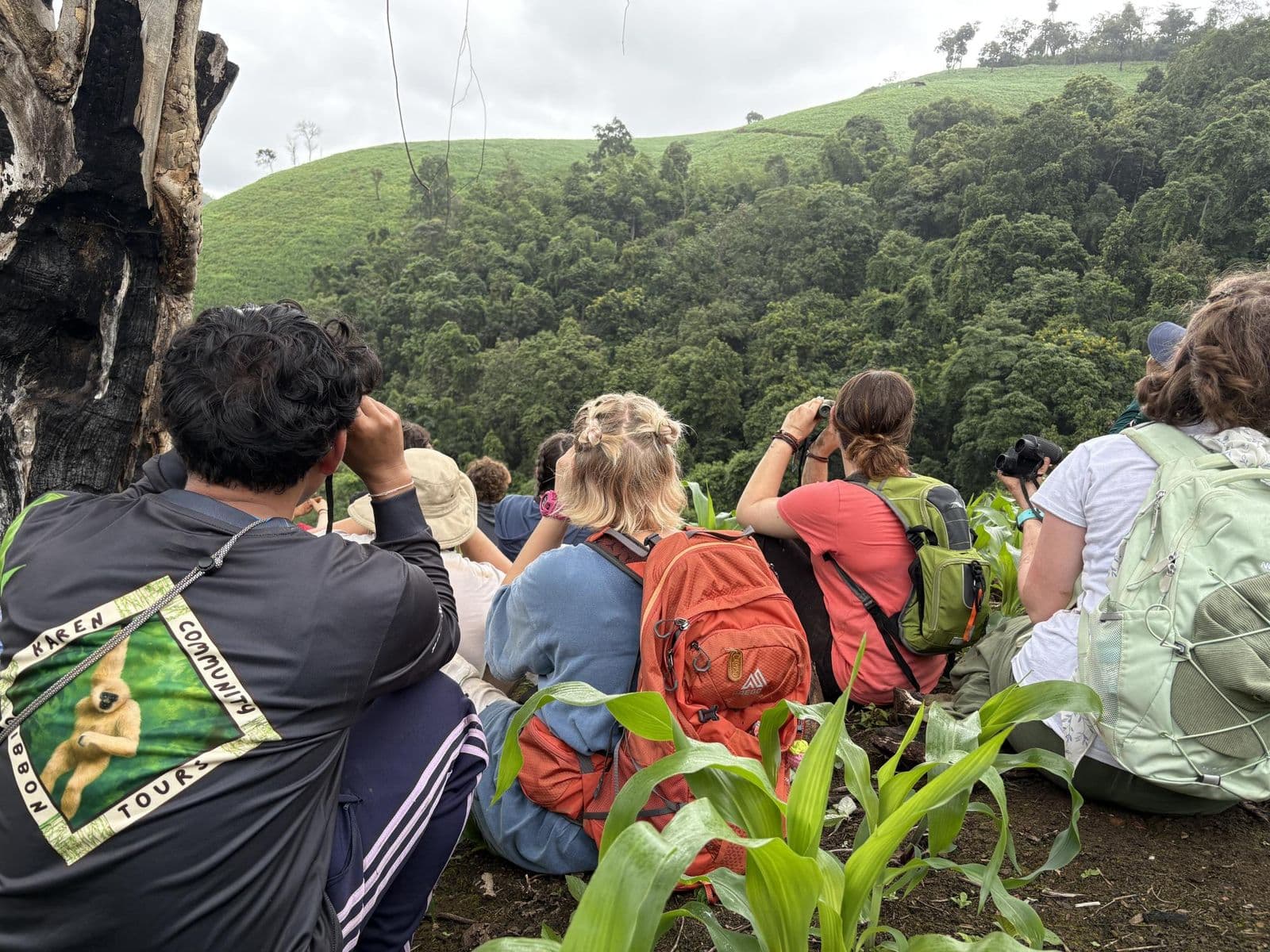
Yes, volunteering abroad is worth it if you choose an ethical program, stay long enough to be useful, and go for the work rather than the photos. You get real cultural immersion, practical skills and a clearer sense of what you want to do next, and a well-run placement really helps the organization that hosts you. It's not worth it if you're really after a cheap vacation, or if the program can't tell you where your money goes.
Most articles on this question are sales pitches. This one gives the downsides real space, so you can decide for yourself.
What are the benefits of volunteering abroad?
The best parts are the ones you can't get on a normal trip. Here's what volunteers tend to come home with:
- Real cultural immersion: living and working in a local community, eating local food every day and picking up the language through daily life, not a phrasebook.
- Practical skills: teaching, field research, community work, problem-solving with limited resources, and working across a language barrier. These carry over to university applications and job interviews.
- A clearer sense of direction: a few weeks or months inside a field like conservation, education or public health tells you a lot about whether it's for you.
- Confidence and independence: getting yourself to a new country, settling into a new home and handling the unexpected.
- Useful help for the host: when the work is something a local organization asked for, and you're supervised and trained, your time supports goals the organization set itself.
What are the downsides of volunteering abroad?

There are real ones, and it's better to know them before you book than after.
- It costs money: you pay to volunteer, because hosting you costs the local organization money. With Volunteer Abroad, 2 weeks starts at $1,110 (USD) before flights, required travel insurance, visas and spending money.
- Short stays have limited impact: two weeks is a real introduction, but most of it goes to settling in. The deepest work happens over months, not days.
- Bad providers exist: some programs are built around the visitor's experience, not the community's needs. A few still place volunteers in orphanages, which child protection groups warn against.
- Culture shock is real: a new language, new food, a host family's routines and being far from home can be hard, especially in the first week or two.
- It takes time away: from school, work or income. A long placement may mean deferring a place, taking unpaid leave or leaving a job.
None of these is a reason not to go. They're reasons to choose carefully and go in with honest expectations.
When is volunteering abroad not worth it?
Be honest with yourself here. It's probably not the right choice if:
- You mainly want a vacation: you'll work 4 to 6 hours a day, follow house rules and live on the project's schedule. If you want to travel freely, travel, and give to a local organization instead.
- You don't have clear goals: "I want to help" is a good start, but knowing what you want to learn or contribute makes the experience far better.
- The program won't explain its fees: if a provider can't tell you where your money goes, look elsewhere.
- You'd be doing work you're not trained for: like treating patients or teaching full classes alone. That's a sign of a program putting volunteers ahead of the community.
How do you make volunteering abroad worth it?

Three choices make most of the difference:
- Choose ethically: pick a program that supports work a local organization asked for, with a trained supervisor, safeguarding rules and a clear price.
- Stay longer if you can: four to 12 weeks lets you take on real responsibility, and 3 months or longer gives your host the continuity that helps most.
- Use what you're good at: tell your Placement Coordinator about your skills during your screening call, so you're matched to work that fits.
The rest is attitude. Go to learn as much as to help, follow your supervisor's lead, and remember you're a guest in someone else's community.
Who is volunteering abroad a good fit for?

Volunteer Abroad is built mainly for students, recent graduates and people taking a career break. It tends to suit:
- Students and gap-year travelers: who want real experience before or between degrees.
- Recent graduates: testing a field like conservation, education or public health before committing to it.
- Career-breakers: with professional skills to share and time to stay longer.
- Groups of six or more: universities, faith groups and company teams, who can ask about a dedicated program with custom dates.
Everyone needs to be 18 or older on their start date, unless they're accompanied by a designated adult guardian.
Are you ready to volunteer abroad? A quick self-check
Answer yes or no to each:
- Can I say in one sentence what I want to learn or contribute?
- Am I happy to work 4 to 6 hours a day under a local supervisor, on their plans?
- Can I stay at least 4 weeks, or am I clear about what a 2-week stay can do?
- Am I ready to live with a host family or at a project base, with their rules and routines?
- Have I budgeted for flights, required travel insurance, visas and spending money, on top of the program price?
- Have I checked that the program meets an ethical checklist?
If you answered yes to all six, you're ready to start looking. If you said no to one or two, that's useful to know: they're the things to sort out first, and your Placement Coordinator can help with most of them.
Is Volunteer Abroad voluntourism?
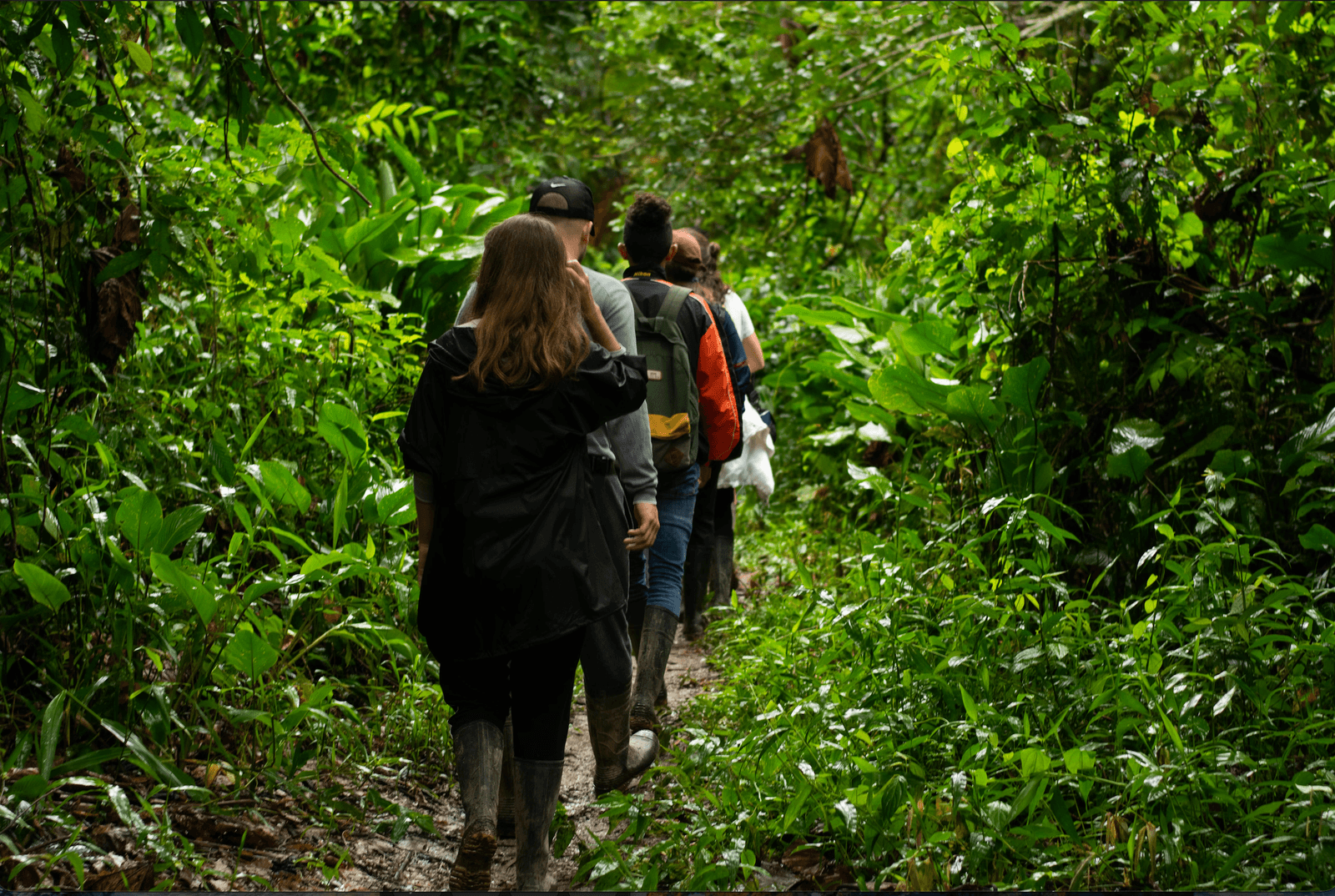
It's a fair thing to ask. Every project is ongoing work that a local organization runs and asked for help with. You work under a local supervisor, on their plans, for 4 to 6 hours a day. We'd rather turn a project down than create work just to fill places.
See how we choose projects, or browse where you could go. Applying is free, and the screening call is the best place to ask anything before you commit.
Frequently asked questions
For more, see our FAQ page.
Is volunteering abroad worth it?
Yes, if you choose an ethical program, stay long enough to be useful and go for the work rather than the experience alone. It's usually not worth it if you mainly want a vacation or the program can't explain where your money goes.
What are the disadvantages of volunteering abroad?
The main ones are cost, the limited impact of very short stays, culture shock, time away from school or work, and the risk of choosing a badly run program. Choosing carefully and staying longer reduces most of them.
Does volunteering abroad look good on a resume?
It can, when you can describe what you did and what you learned. Skills like working across a language barrier, adapting to a new culture and contributing to a team's goals carry over to university applications and job interviews.
Is volunteering abroad better than donating?
It depends on what you want to give. Donating sends money where it's needed without travel costs. Volunteering suits people who want to learn, build skills and contribute time to work a local organization asked for. Some people do both.
Who can volunteer abroad with Volunteer Abroad?
Anyone 18 or older on their start date who is ready to work, learn and follow local guidance. Younger volunteers can join only with a designated adult guardian. Groups of six or more can ask about a dedicated program.