How to Spot an Ethical Volunteer Abroad Program (and Avoid Voluntourism): A 10-Point Checklist
Not every volunteer program helps the community it's in. Use these 10 questions to tell a well-run placement from voluntourism before you pay anyone.
An ethical volunteer program sends you to work a local organization asked for, under a trained local supervisor, with a published price and clear rules that protect the people you're there to help. The quickest test is to ask any provider the 10 questions below. A good one answers every question plainly. A provider that dodges, can't explain where your money goes, or offers you time in an orphanage isn't one to book with.
The criticism of voluntourism is fair, and it's worth taking seriously before you pick a program. This checklist works on any provider, including us.
What is voluntourism, and is the criticism fair?
Voluntourism is volunteering that's built around the visitor's experience rather than the community's needs. It's the project that exists mainly because volunteers pay for it, the week-long "teaching" stint with no lesson plan, or the build that local workers would have done faster and better.
The criticism is fair. Poorly run programs can take paid work away from local people, leave half-finished projects behind, and put children through a revolving door of short-term adults. None of that is the volunteer's intention, but good intentions don't fix a badly designed program.
That doesn't mean volunteering abroad is always harmful. It means the program you choose matters more than almost anything else. Well-run placements support work a local organization was already doing, on its terms, with someone local in charge.
How can you tell if a volunteer program is ethical?
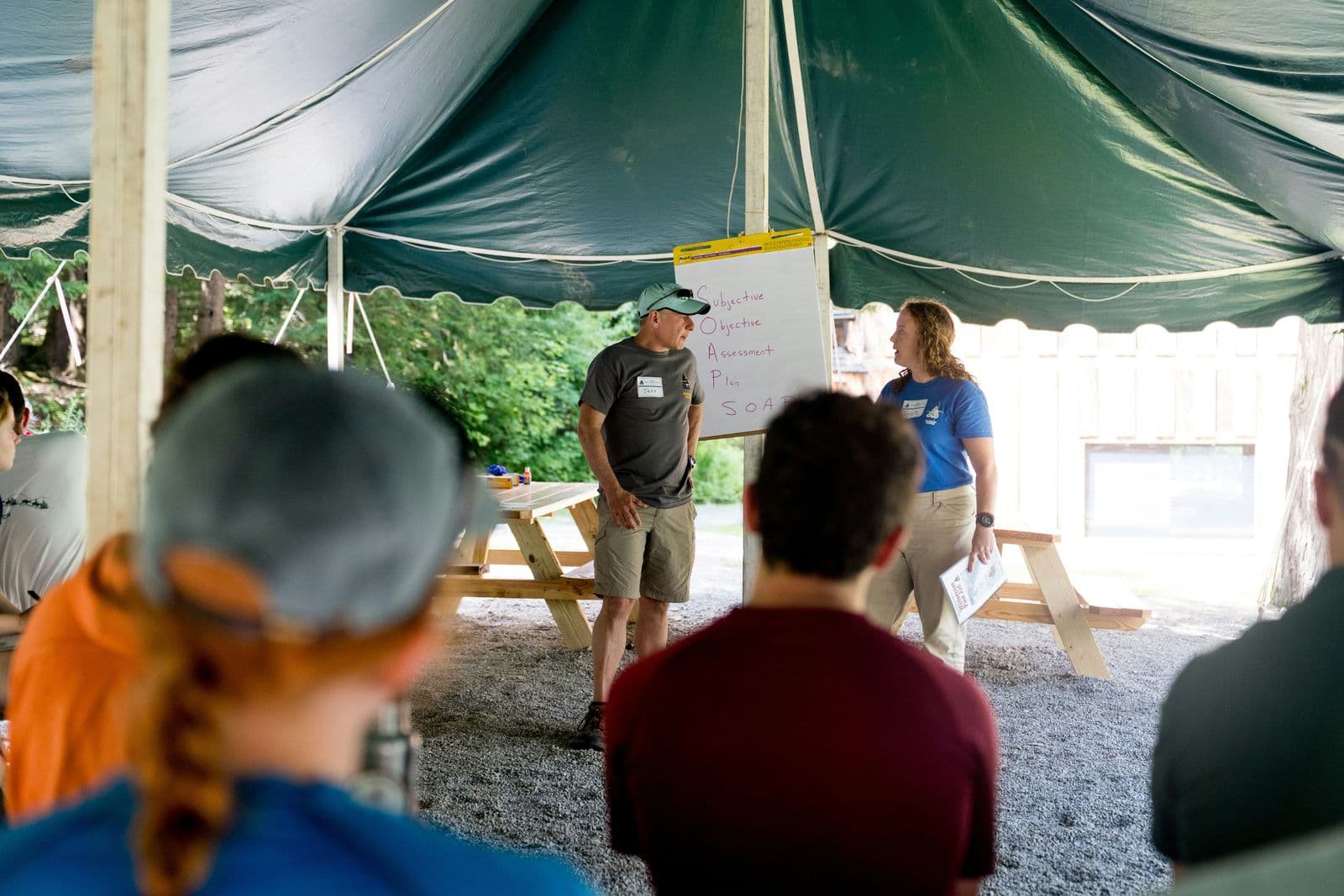
Ask these 10 questions before you pay anyone. You don't need every answer to be perfect, but you do need every answer to be clear.
# | Ask this | A good answer sounds like | Red flag |
|---|---|---|---|
1 | Did the local organization ask for this work? | The project runs year-round, and volunteers support goals the organization set itself. | The project only exists when volunteers are there. |
2 | How long has the organization been running? | Several years of steady work, often five or more, with the trust of its community. | A new project set up mainly to host visitors. |
3 | Is there a written safeguarding policy? | Yes, especially for work with children or vulnerable adults, and you'll be asked to follow it. | "We don't really need one." |
4 | Who supervises me each day? | A trained person on site who guides your work. | You'll be left to figure it out. |
5 | Where does my money go? | A published price, with a clear split between what the host receives and what the provider keeps. | One lump sum and no breakdown. |
6 | How do you prepare me? | Orientation before you go and when you arrive, covering safety, culture and your role. | A packing list and nothing else. |
7 | Do you check volunteers? | A background check, a minimum age, and a review of your application. | Anyone can sign up and go next week. |
8 | What can a short stay actually do? | An honest answer about what two weeks can and can't achieve. | Promises that you'll "change lives" in a week. |
9 | Will I only do work I'm trained for? | Yes. For example, health volunteers help with education, not clinical care. | Untrained volunteers treating patients or teaching full classes alone. |
10 | Do you place volunteers in orphanages? | No. | Yes, or "children's homes" with short-term visits. |
Keep this list handy when you compare programs. A provider that welcomes these questions is usually one that has thought hard about them. [HUMAN: turn this table into a downloadable PDF checklist and add the download link here]
What are the red flags in a volunteer program?
Some warning signs show up before you ever talk to anyone. Watch for these on a provider's website and social media:
- Photos of volunteers holding children: especially children they don't know. Good programs protect children's privacy and don't use them as marketing.
- "No experience needed" for skilled work: teaching, building or health work all need skills. A program that says otherwise isn't taking the work seriously.
- No price breakdown: if you can't see what you're paying for, you can't see who benefits.
- No minimum age or background check: these are basic protections for the people you'll work with.
- Instant booking with no conversation: a good provider wants to know if you're a fit before you go.
- Gifts and handouts: encouraging volunteers to hand out money or presents directly can create dependence. Good programs ask you to give through the host organization instead.
Why should you never volunteer in an orphanage?
Because orphanage volunteering can keep children apart from families who could care for them. Most children in orphanages aren't orphans. In Cambodia, for example, UNICEF reports that more than 80 percent of children in residential care have at least one living parent.
UNICEF also says orphanage tourism, where visitors spend time in orphanages and make donations, has created dependency and led to unnecessary family separation, "doing more harm than good." As long as visitors and donations keep coming, an orphanage has a reason to stay full. (UNICEF Cambodia, 2020)
If you want to work with children, look for programs run by schools or community organizations, where you support local teachers and staff and never work with children unsupervised.
Why are longer placements usually more ethical?
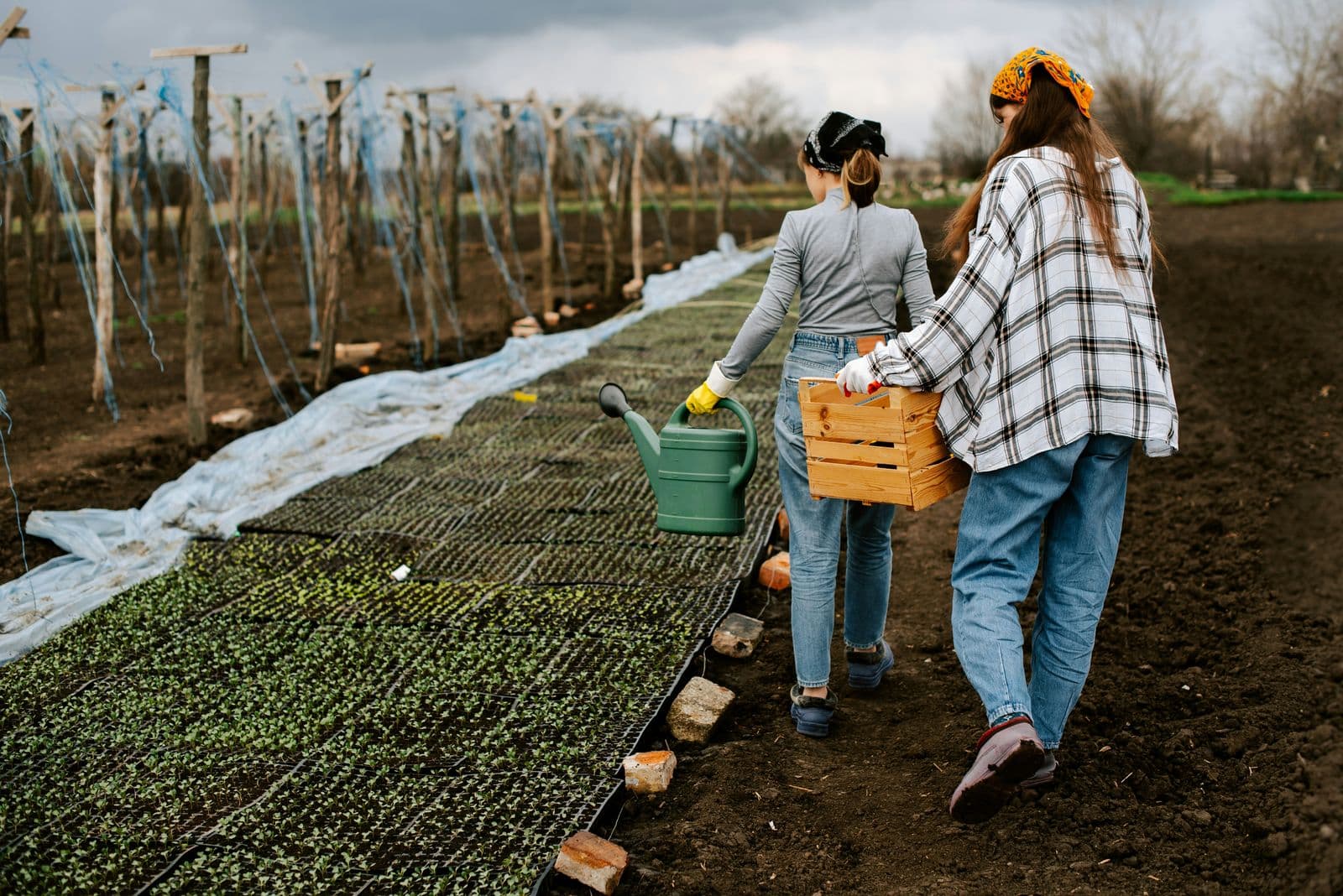
Because consistency is what helps. Every new volunteer needs training, supervision and time to settle in, and that time comes from the host organization's staff. A volunteer who stays three months gives back far more of that time than one who leaves after two weeks.
Short stays aren't wrong. Two weeks is a real introduction to the work and the community, and it can be the right first step. Just be honest with yourself about what it can do, and look for a program that's honest about it too.
If you can stay longer, it usually costs less per week as well. With Volunteer Abroad, the Program Deposit is charged once, so it's spread over more weeks the longer you stay.
How does Volunteer Abroad choose its projects?
We hold every project to the same standard, and we say no when a project doesn't meet it. Before a project goes on our site, it has to be:
- Local and community-rooted: run by people from the community it serves.
- Proven: generally five years or more of steady work, with that community's trust.
- Asked for: volunteers support goals the organization set itself. Nothing is invented to keep visitors busy.
- Safeguarded: formal written policies for any work involving children or vulnerable adults.
- Ready to host: vetted accommodation, all daily meals and daily transport to the project.
- Supervised: one trained person on site who guides your work every day.
- Honest about results: clear, modest outcomes from past volunteers, and a willingness to keep improving.
The rules apply to volunteers too. Everyone is 18 or older (unless accompanied by a designated adult guardian), passes a criminal record check, and signs a code of conduct. That code means no gifts or money handed directly to the people you work with, no contacting children from your project on social media, and no photos of them without your host's permission. On our Healthcare & Public Health projects, volunteers support health education and never provide clinical care.
Money works the same open way. Each host partner sets its own Program Fee and receives all of it. Our side is paid for by a separate Program Deposit.
[HUMAN: one or two sentences from someone on the team about a project you turned down, or what you look for first, without naming any organization]
Read more about how we choose projects and how we keep volunteers safe.
Frequently asked questions
For more, see our FAQ page.
Is volunteering abroad ethical?
It can be, if the program supports work a local organization asked for, with a trained local supervisor and clear safeguarding rules. Programs built around the visitor's experience, or that place volunteers in orphanages, are the ones to avoid.
What is voluntourism?
Voluntourism is volunteering designed around the traveler rather than the community. Common signs are projects that only run when volunteers pay, short stays with no training or supervision, and photos that use local children as marketing.
Why is orphanage volunteering harmful?
Most children in orphanages aren't orphans. In Cambodia, UNICEF reports that more than 80 percent of children in residential care have at least one living parent, and says orphanage tourism has led to unnecessary family separation. Support programs that keep children with their families instead.
How do I know if a volunteer organization is legit?
Ask how long the local organization has been running, who supervises you, whether there's a written safeguarding policy, and where your money goes. A legitimate provider answers clearly, checks volunteers' backgrounds and publishes its prices.
Is it ethical to volunteer abroad for two weeks?
It can be, as long as you're honest about what two weeks can do. A short stay is a real introduction to the work. Longer placements usually help more, because the host spends less time training new volunteers.
Can volunteers do medical work abroad?
Only within what they're trained and permitted to do. On Volunteer Abroad's Healthcare & Public Health projects, volunteers support health education and never provide clinical care or treat patients. Ask what your role involves before you apply.